From Concept to Mass Market: The EDN SmallGarden Story
In a world where technology and nature intertwine, the inception of EDN's SmallGarden stands as a testament to innovation, sustainability, and the green thumb in all of us. Born out of a personal need to bring the beauty of nature into the compact living spaces of urban dwellers (like my own 1 window apartment), the concept for EDN and the SmallGarden emerged not just as a product but as a revolution in indoor gardening.
The Genesis of SmallGarden
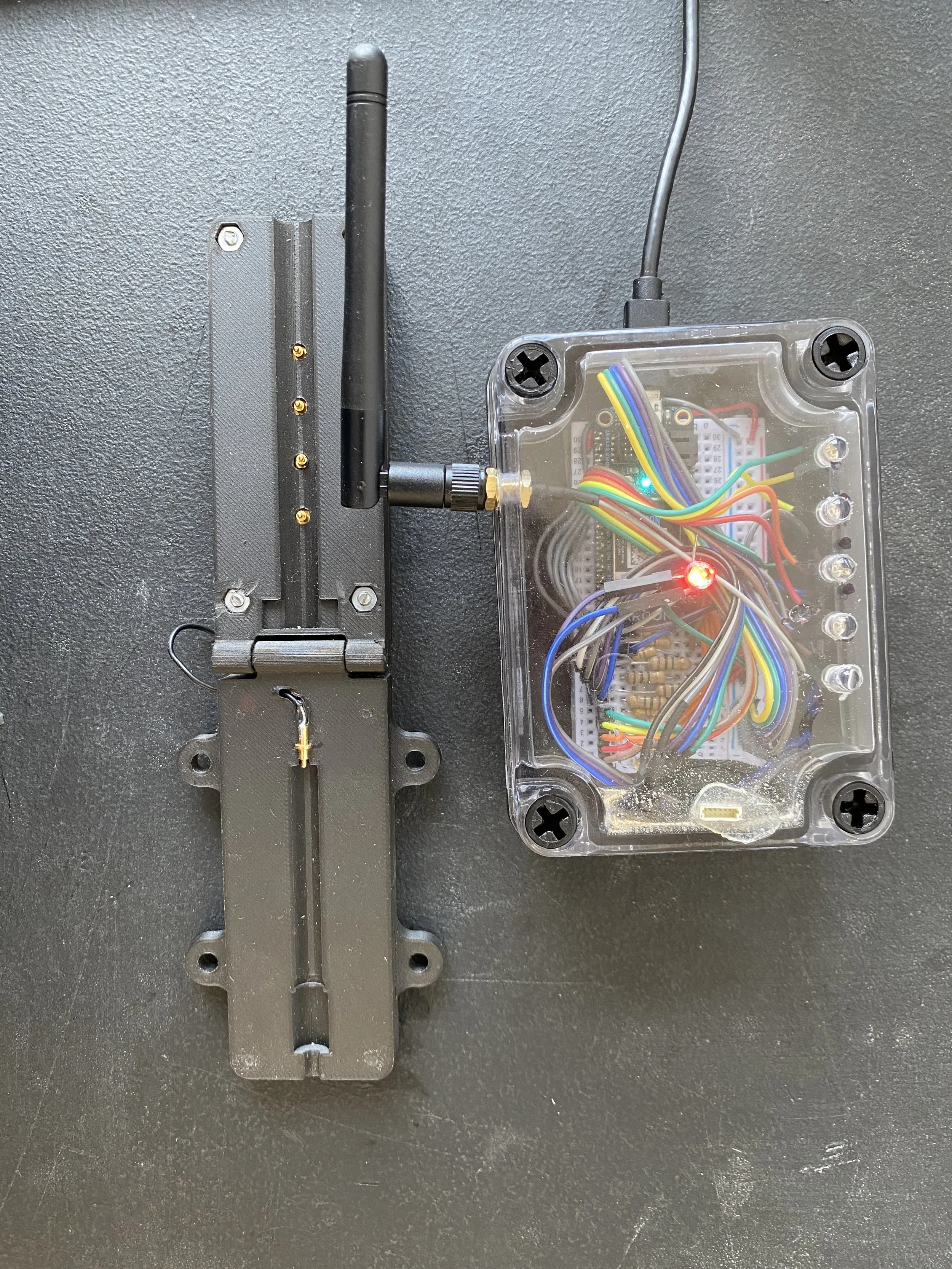
My journey began with a simple Arduino prototype and a desire to keep my plants thriving despite the limitations of my small, light-deprived apartment. This prototype evolved through numerous iterations, feedback from friends and family, and a passion for the outdoors that I was determined to encapsulate within the confines of modern living spaces.
Bridging Technology with Horticulture
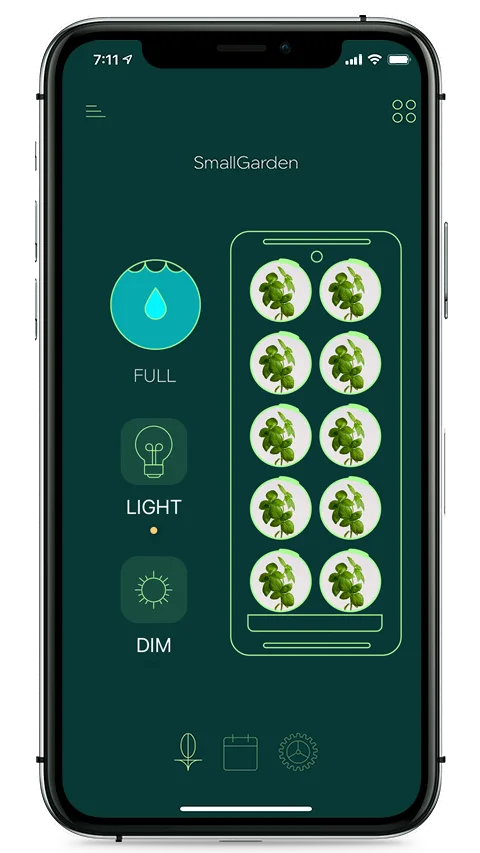
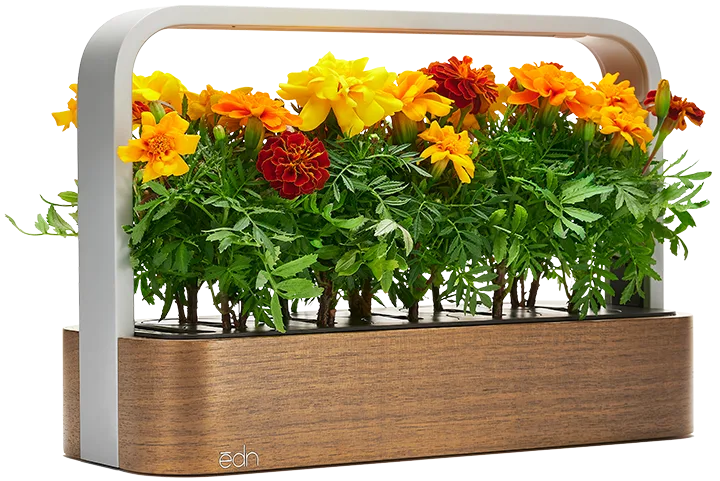
SmallGarden was engineered to be more than just a planter; it was designed as a comprehensive ecosystem that empowers individuals to grow herbs, vegetables, and flowers indoors, guided by an intuitive iOS app. The app not only provides reminders on watering schedules but also offers advice on pruning and harvesting, making gardening accessible to everyone, regardless of their experience level.
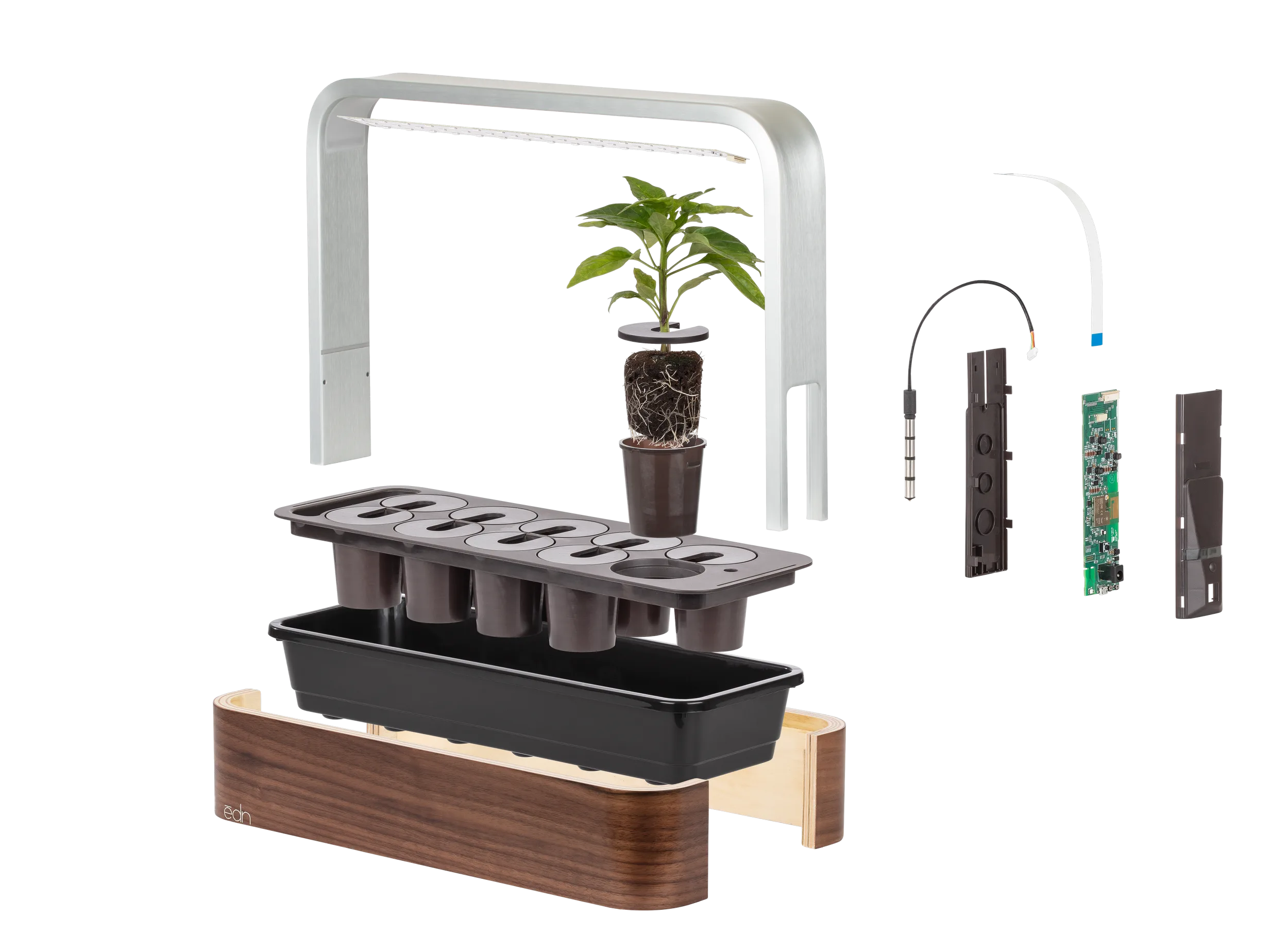
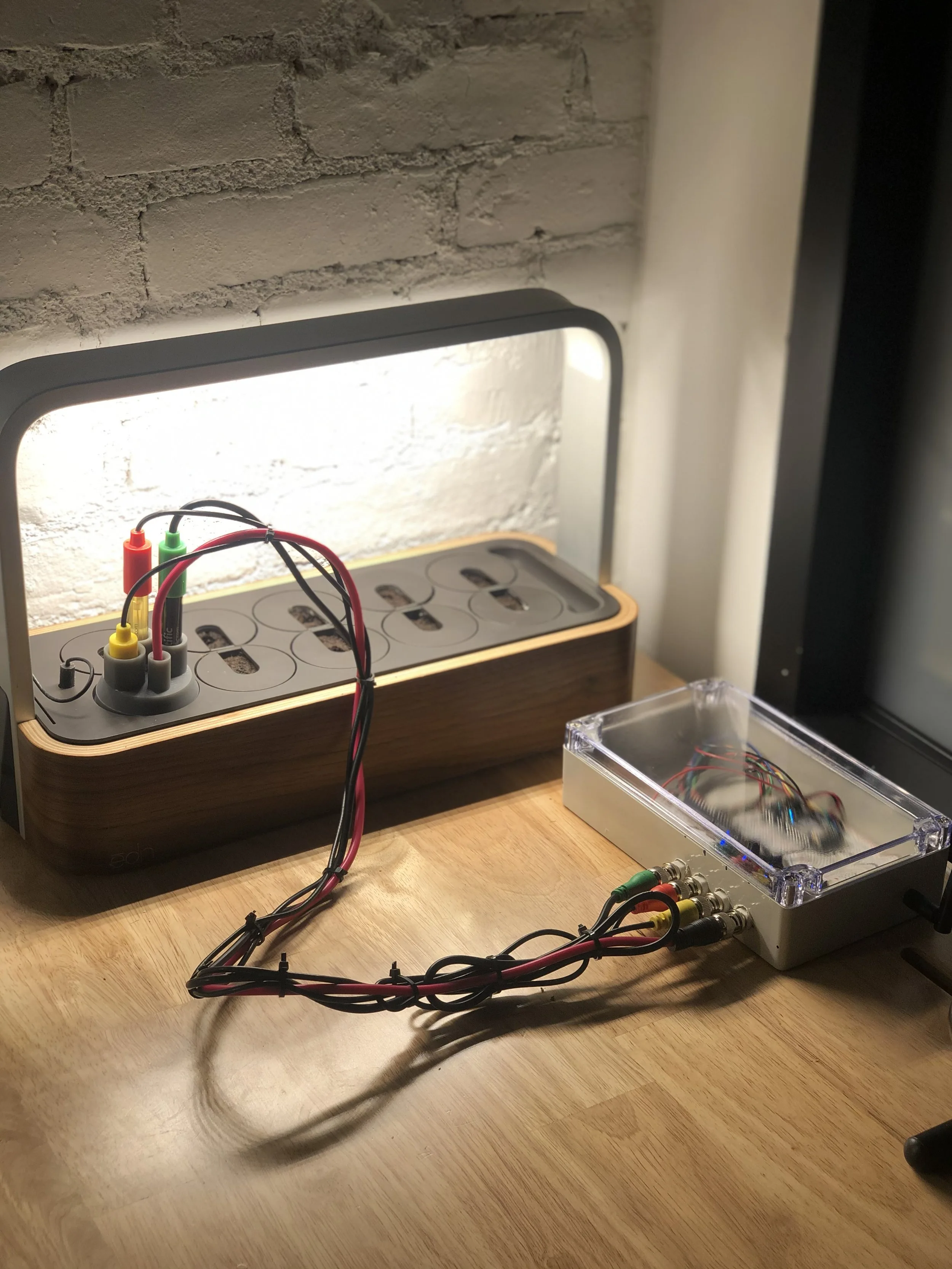
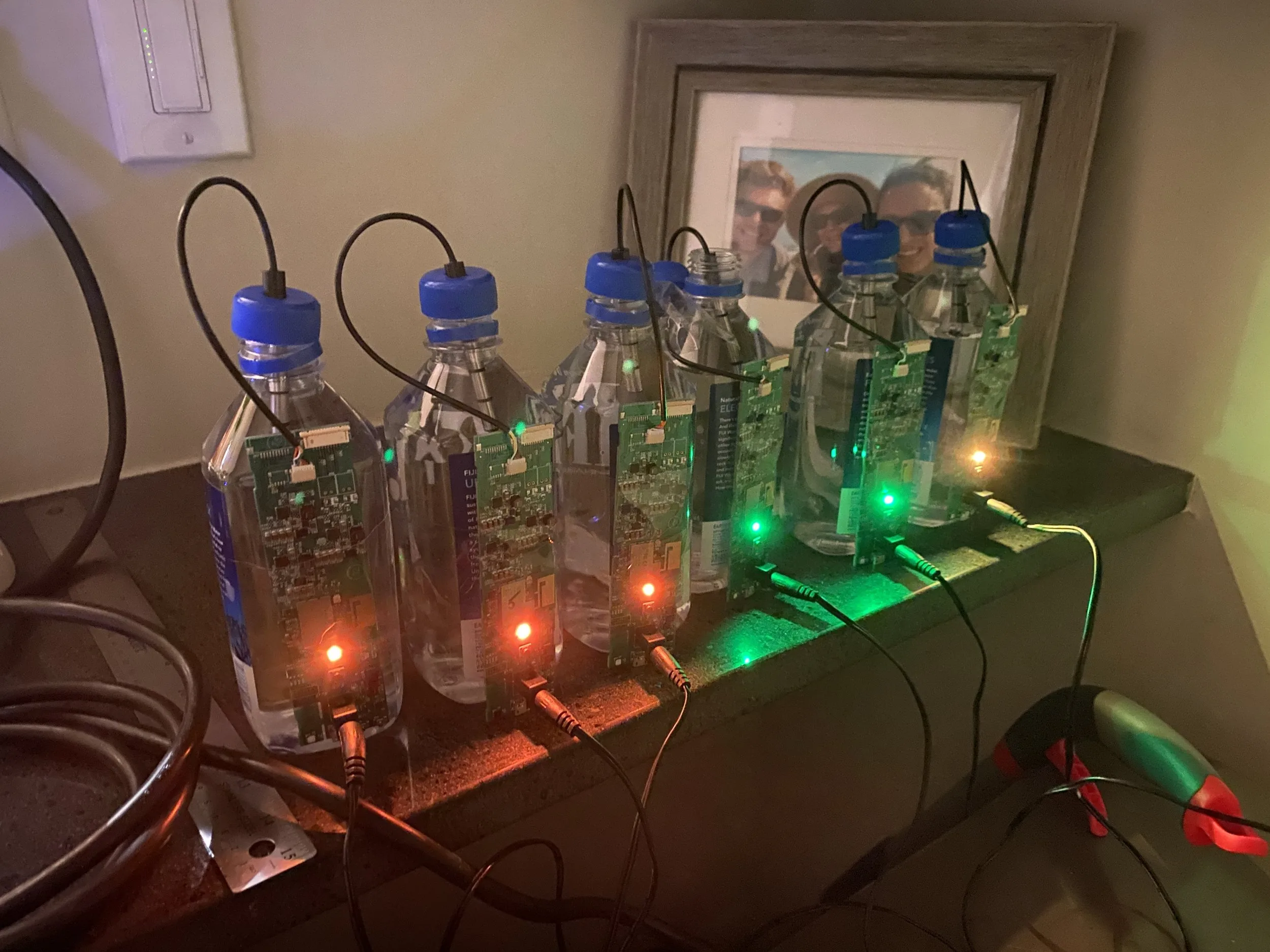
The heart of SmallGarden lies in its sophisticated array of sensors, including moisture, electric conductivity, temperature, and humidity sensors, complemented by LED lights. This integration of technology ensures optimal growth conditions for plants, transforming even the most novice gardeners into instant experts.
Overcoming Manufacturing and Software Challenges
Bringing SmallGarden to market was a journey filled with challenges, especially in scaling from a single prototype to thousands of units. This process provided invaluable lessons in full-stack development, from crafting the MVP in software to navigating the complexities of production hardware. Our early efforts utilized a web app, eventually transitioning to a native iOS application and building a custom tech stack on AWS, including IoT Core and our own PCB board designed around an SoC from ExpressIF.
Our journey led us into strategic partnerships with giants like Apple, West Elm, Home Depot, and Walmart. These collaborations, along with engagements with AWS and other technology partners, were pivotal in establishing EDN's SmallGarden in the retail and technology ecosystems.
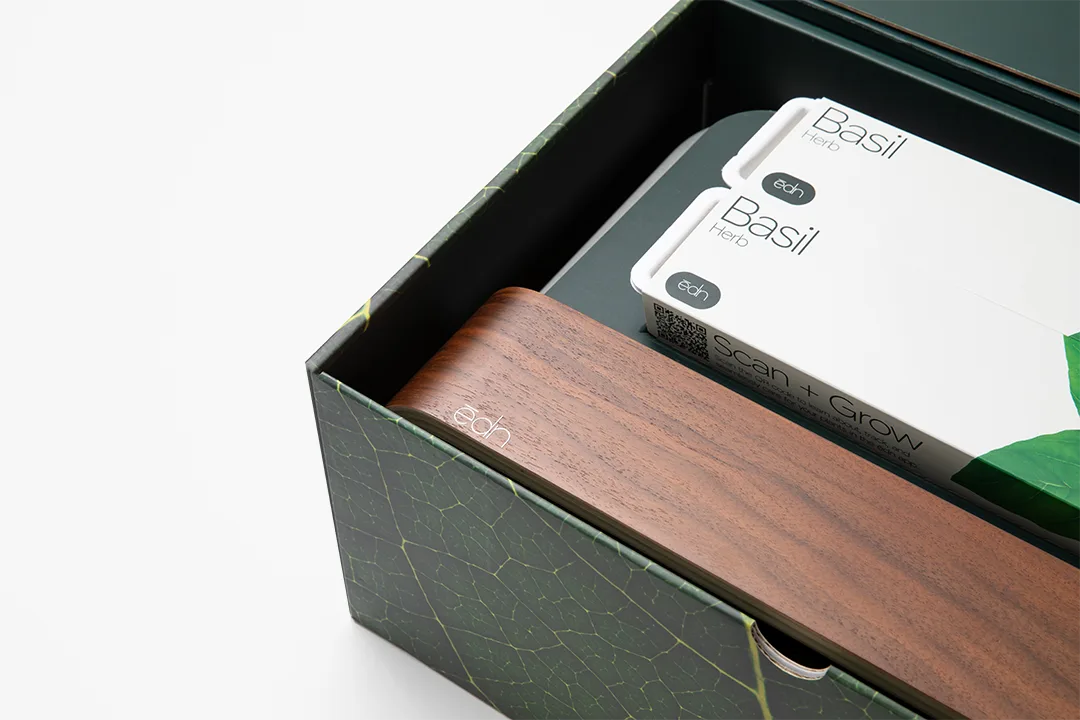
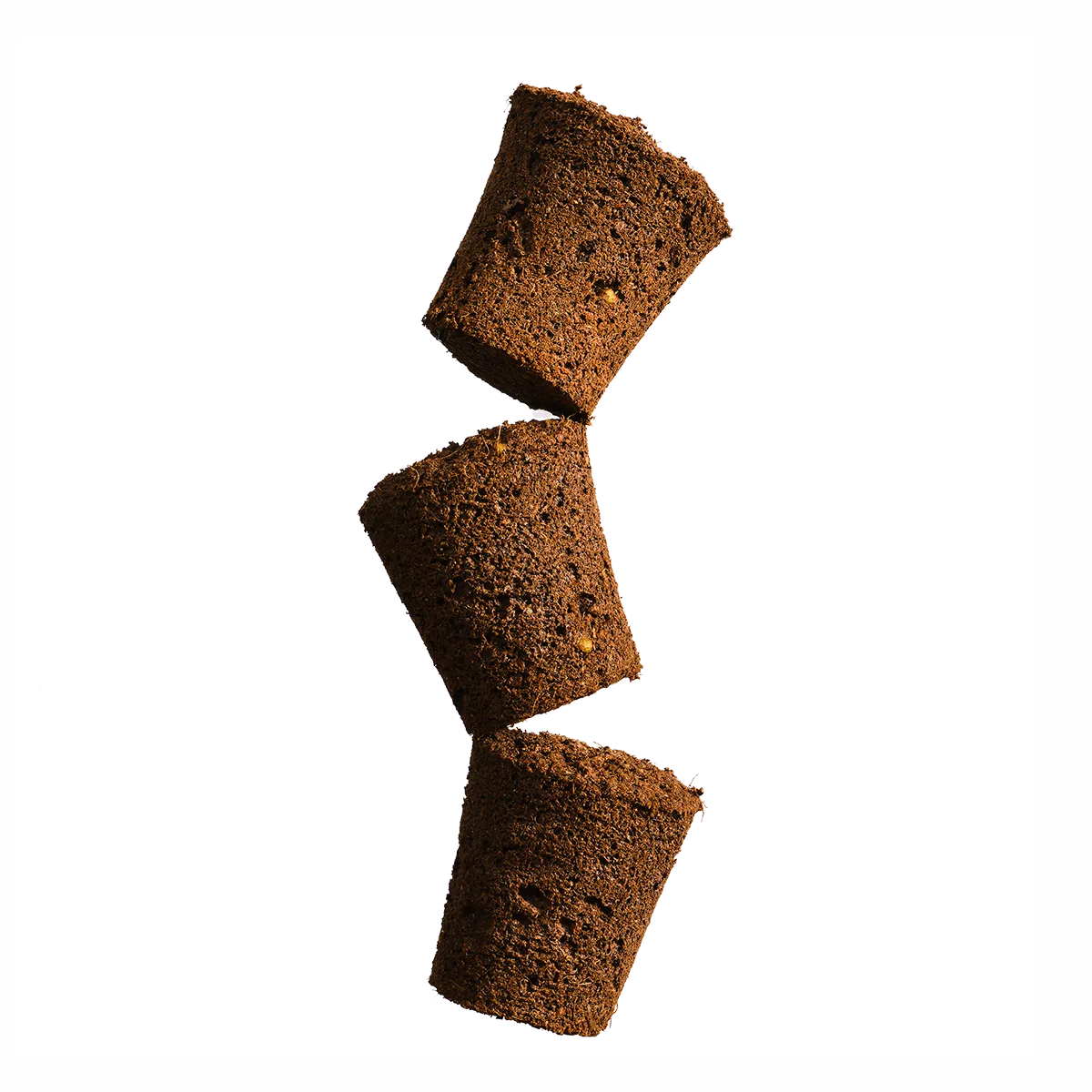
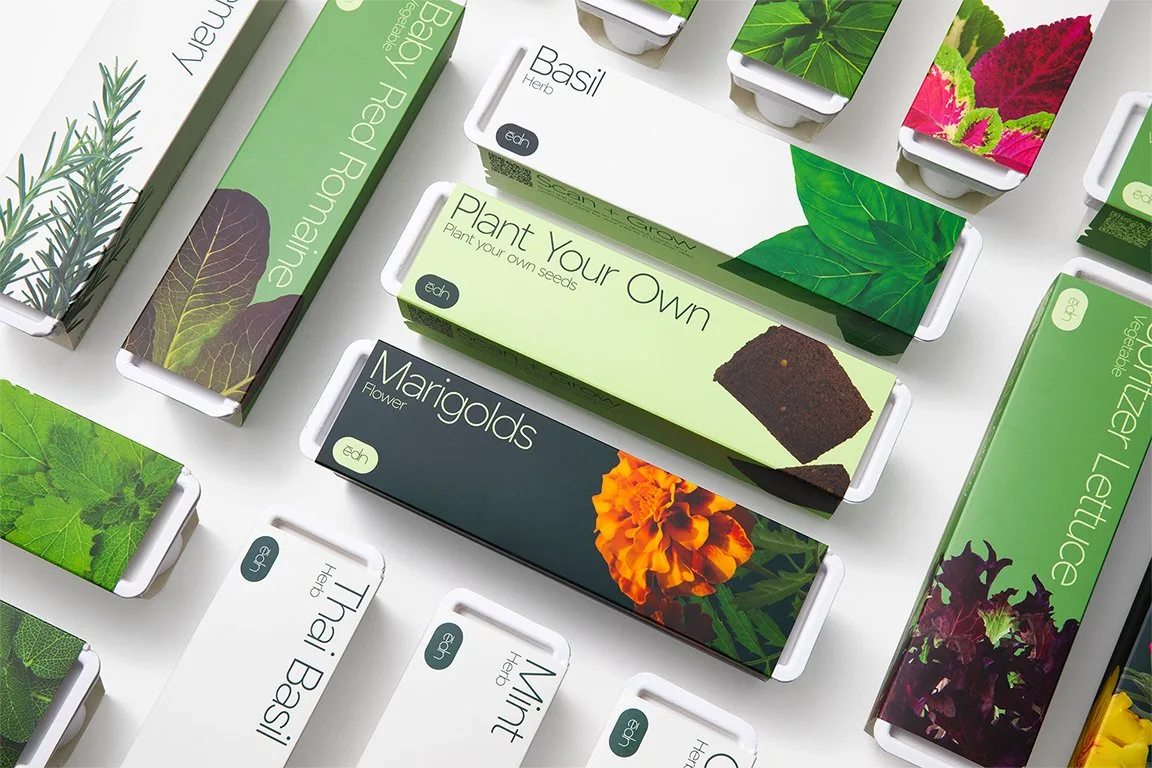
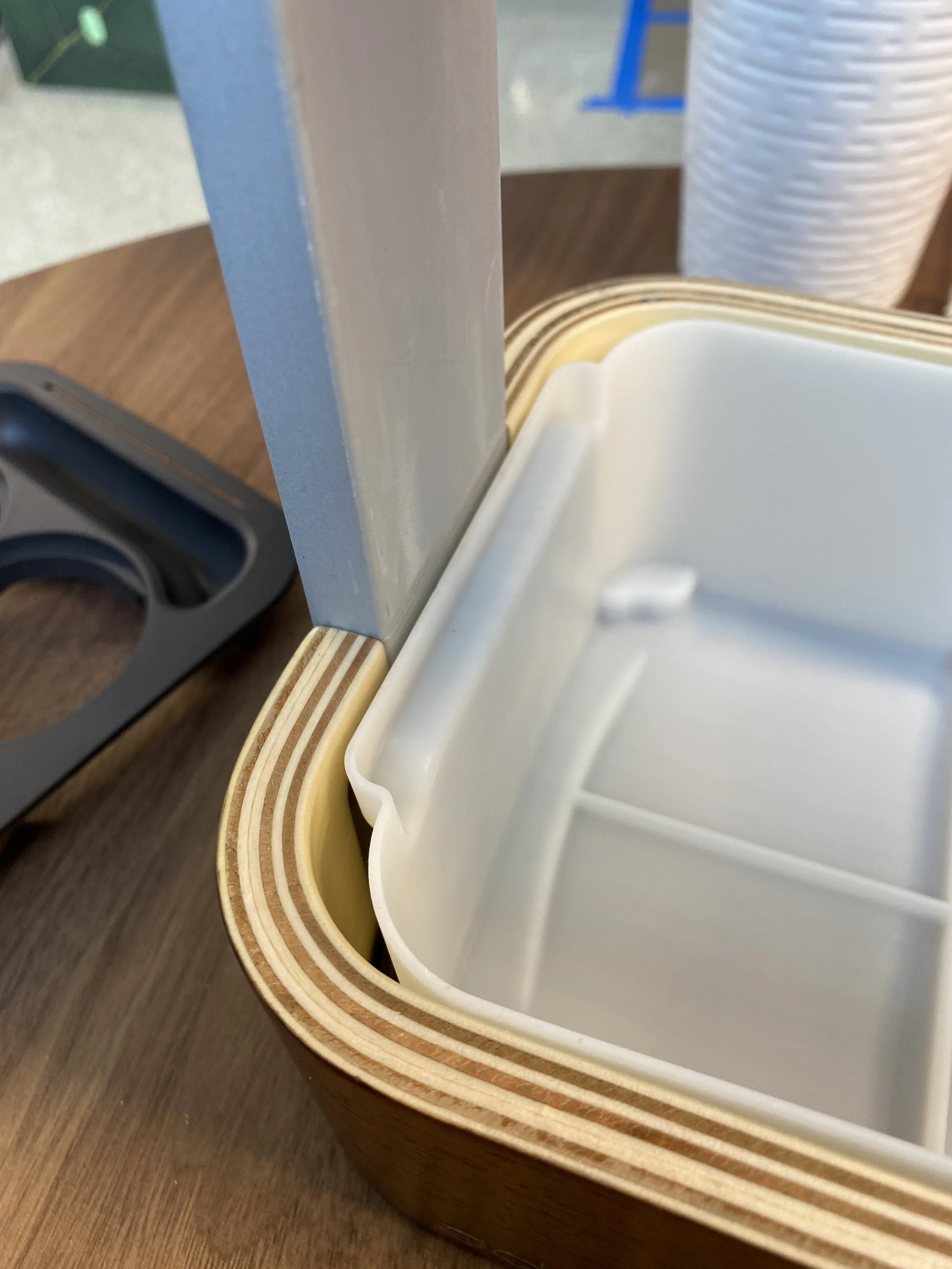
The production of SmallGarden was a global endeavor, with manufacturing spanning from the U.S. to Shenzhen and Europe. Our commitment to quality and innovation was reflected in every aspect, from the aluminum extrusion and anodizing to plastic injection molding and the pioneering of our seed pods. These pods, integral to our subscription model, were developed in-house, encapsulating seeds in a medium optimized for growth, and sent to customers based on the growth stage of their plants.
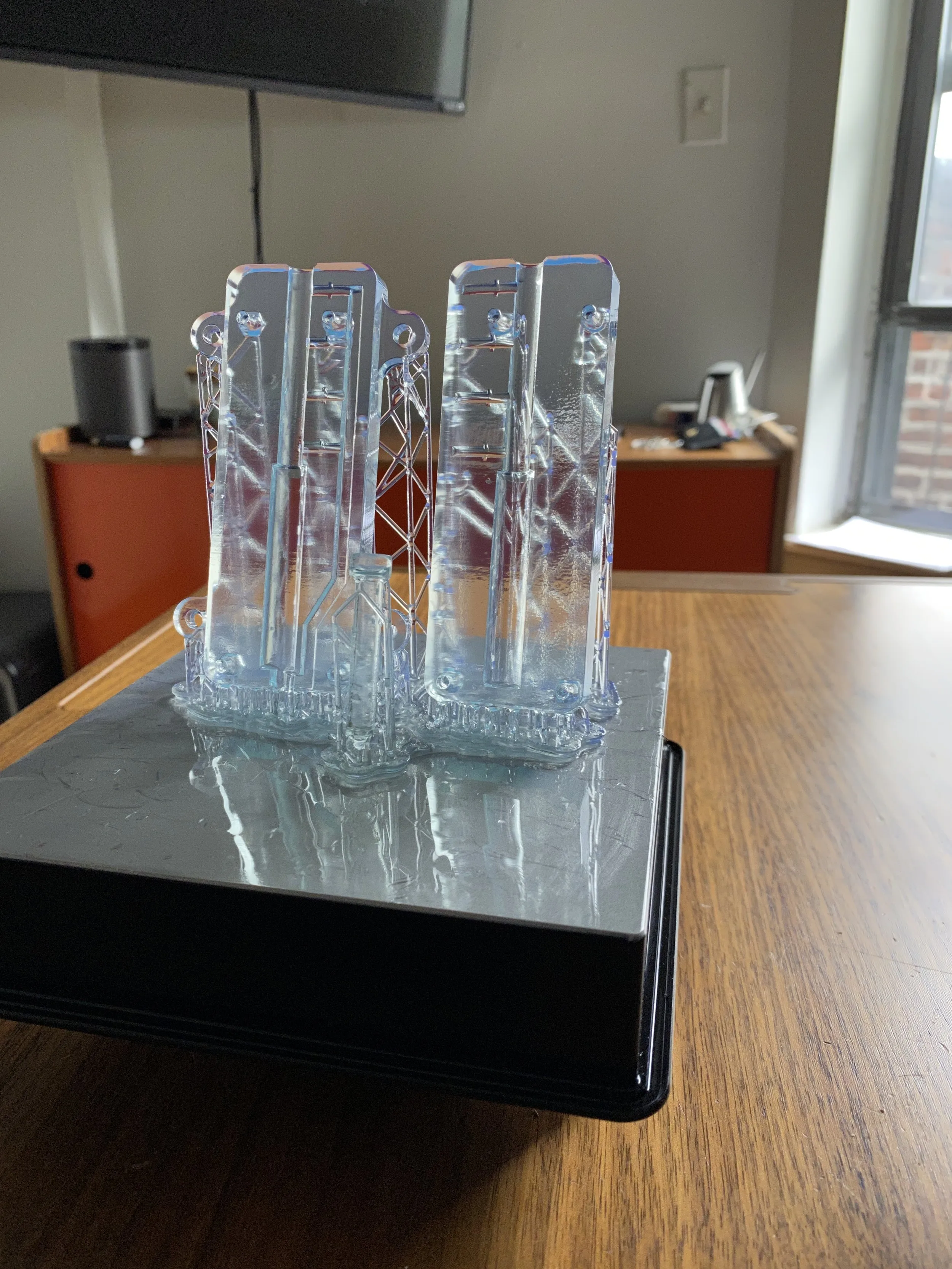
In our quest to streamline production, we developed an automated seeder machine that significantly enhanced our efficiency. This innovation, along with our in-house prototyping capabilities involving 3D printing, CNC design, and laser cutting, underscored our commitment to pushing the boundaries of what's possible in product development.
Machine Learning to the Rescue
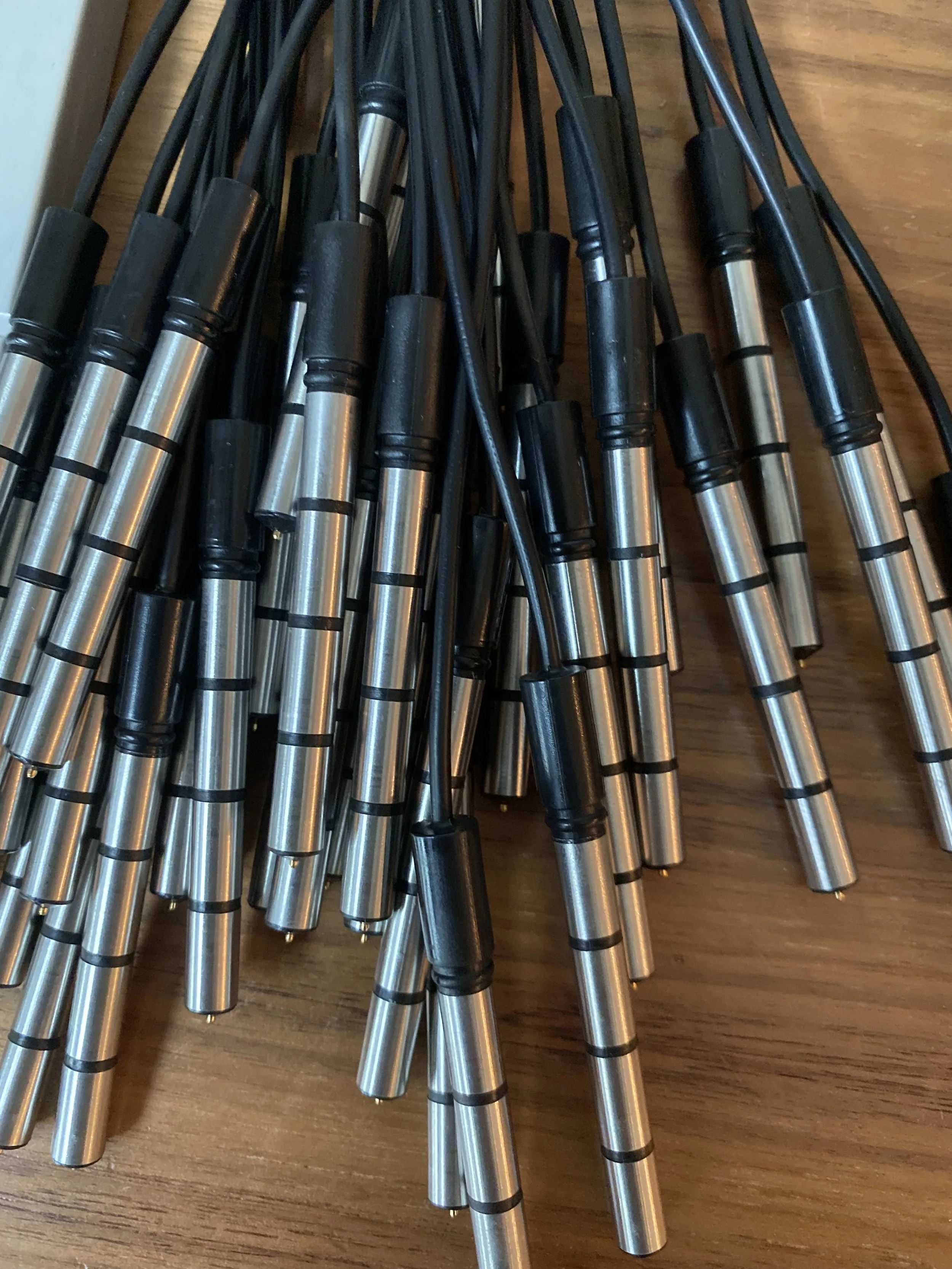
In our continuous journey to refine and perfect the SmallGarden, we encountered challenges that tested our resolve and ingenuity. One such challenge was the issue of inaccurate readings from some of our moisture probes. With numerous units already in the hands of our customers, the prospect of replacing entire gardens was not only impractical but also unsustainable. It was in this moment of need that our team harnessed the power of machine learning to devise an innovative solution.
We developed a sophisticated machine learning algorithm capable of detecting anomalies in moisture readings. This algorithm wasn't just a band-aid but a dynamic tool that recalibrated the local firmware to correct inconsistencies, effectively adjusting the hardware's performance in real-time. This proactive approach not only saved significant resources that would have otherwise been spent on physical replacements but also showcased our commitment to leveraging cutting-edge technology to enhance user experience. Through machine learning, we were able to extend the lifecycle of our products, reduce waste, and provide our customers with a seamless and reliable gardening experience, reaffirming our dedication to innovation and sustainability.
This integration of machine learning into SmallGarden epitomizes our ethos: to constantly push the boundaries of what's possible, ensuring that our products are not just technologically advanced but also adaptable, resilient, and above all, customer-centric.
Techstars, Funding, and Growth
A pivotal moment in our journey was being selected for the Techstars Accelerator program, a recognition that not only validated our vision but also provided invaluable resources and mentorship. This experience was crucial in refining our business model, expanding our network, and positioning us for success in the competitive tech landscape. Through Techstars, and subsequent fundraising efforts that culminated in raising $5.9 million, we solidified our foundation, enabling us to scale our operations, enhance our product offerings, and ultimately achieve exponential growth.
EDN's SmallGarden story is not just about a product; it's about a vision to harmonize technology and nature, making gardening accessible to all and inspiring a new generation of green thumbs in the process. Through innovation, strategic partnerships, and a commitment to sustainability, we've charted a path that others can follow, proving that with the right blend of technology and passion, anything is possible.
As SmallGarden found its way into thousands of homes, it became more than just a product; it became a movement towards more sustainable, self-sufficient living. Our journey from an idea sparked by a personal need to a successful acquisition is a testament to the power of innovation, the importance of sustainability, and the potential of technology to bring the natural world closer, no matter where we live.